
US Midterm Shockwaves Jolt AI Investment Landscape, Africa Watches
US midterm election results have sent shockwaves through AI stocks, signalling potential regulatory headwinds. Enterprise Africa explores the global market implications and relevance for African tech investment and FDI.
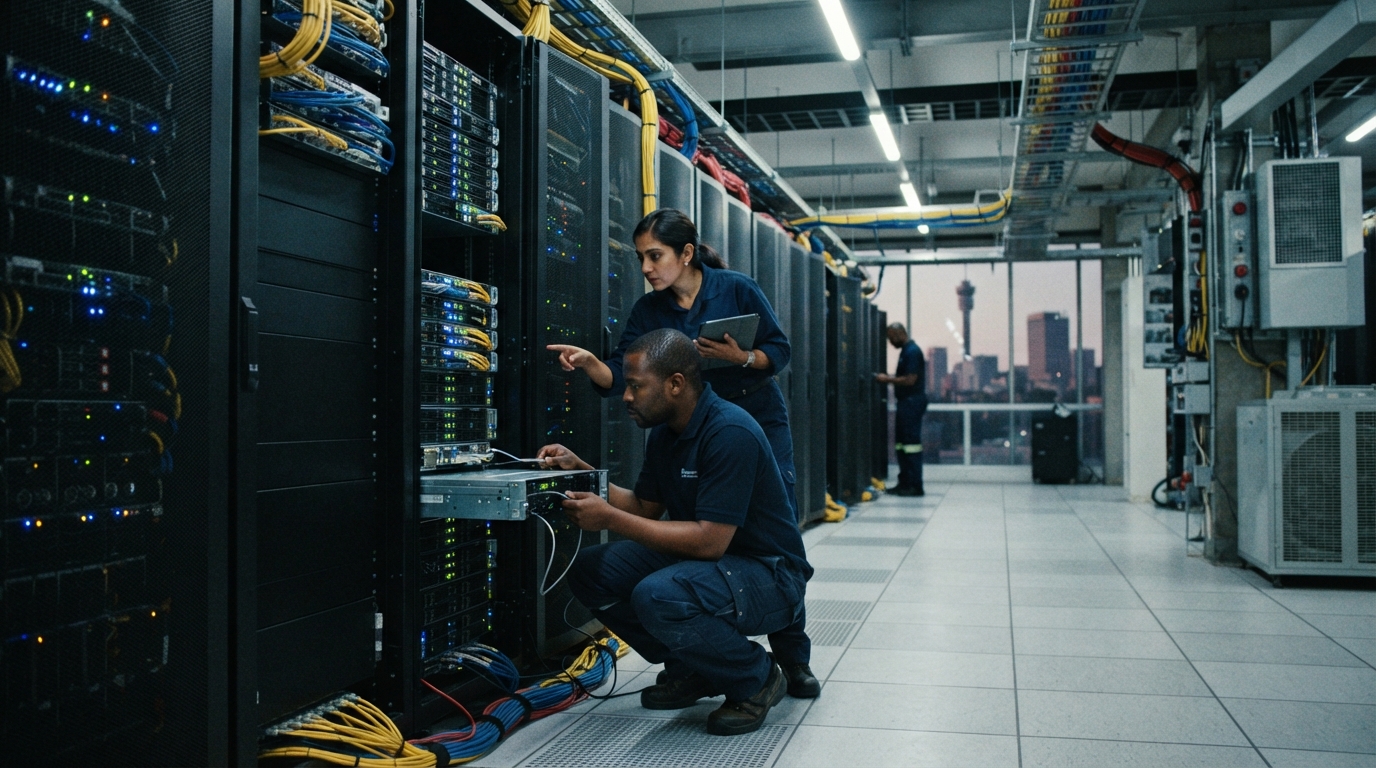
A political earthquake in the United States is sending significant aftershocks through the global technology sector, particularly for companies riding the AI wave. The results of the US midterm elections have injected a strong dose of uncertainty into markets, with investors reassessing the long-term prospects of AI investment amidst looming regulatory threats. For African businesses and governments observing these global currents, the episode offers critical insights into the interplay of politics, policy, and technological innovation.## The Build-up: AI's Meteoric Rise and Underlying AnxietyPrior to the vote, the AI sector had enjoyed an extraordinary run, marked by meteoric stock gains for chipmakers, cloud providers, and AI development firms, inflating tech valuations to historic highs. Goldman Sachs projects AI investments to reach a staggering $1 trillion by 2026. However, beneath the surface of this exuberance, concerns about market overvaluation and the ability of these investments to deliver commensurate returns have been steadily mounting. Adding to this, a growing public discourse around AI safety and its long-term societal implications, with some researchers even positing existential threats, has created a fertile ground for regulatory anticipation. This blend of economic skepticism and ethical apprehension set the stage for the market's recent reaction.## Democrats' Stance and the Data Centre DilemmaThe catalyst for the recent sell-off appears to be the strong showing by Democrats in the US midterms, granting them full control of Congress. A number of prominent Democratic figures campaigned on platforms that questioned the unbridled expansion of data centres – the physical backbone of the AI industry. These concerns were deeply rooted in local communities, focusing on the substantial consumption of water and electricity by these facilities, their land use, noise pollution, and general disruption. Polling data underscores public apprehension, with a May Gallup poll revealing that 71% of Americans oppose the construction of a data centre in their community. Figures like James Talarico, who secured a Senate seat in Texas, articulated the need for clear, consistent laws to govern the industry's expansion and protect citizens. Similarly, Texas' Democratic Governor-elect Gina Hinojosa campaigned on a moratorium for new data centre construction. With increased legislative power, Democrats are now expected to push for regulations that could curb the industry's growth, leading investors to re-evaluate future earnings projections and exit positions.## The Africa AngleFor "Enterprise Africa" readers, these developments in the US are more than just distant market fluctuations; they hold significant implications for the continent's burgeoning tech landscape and economic development. FDI and Capital Flows: A global slowdown or increased caution in AI investment, driven by regulatory uncertainty, could temper the appetite for Foreign Direct Investment (FDI) into African tech startups and infrastructure projects. Data Centre Strategy: As Africa rapidly builds out its digital infrastructure, the US debate around data centre sustainability (water, energy, land) offers a crucial foresight. African nations developing their own digital strategies must consider these environmental and social impacts to attract sustainable investment and avoid similar community backlashes. AI Governance and Policy: The US regulatory shift could serve as a precursor for global AI governance discussions. African policymakers can draw lessons from this experience, proactively developing frameworks that balance innovation with ethical considerations, data privacy, and resource management. Competitive Positioning: Should regulation make data centre expansion more challenging or costly in established markets, African countries with stable energy supplies, favourable regulatory environments, and growing digital economies could potentially attract new investments as companies seek alternative, less regulated hubs. While the immediate trigger for the market downturn was political, analysts suggest underlying concerns about tech valuations were already prevalent. Nandini Roy Choudhury of Future Market Insights believes investors will now scrutinise firms with stronger balance sheets, implying a more selective investment landscape rather than a widespread recovery. Tudor Brown, co-founder of Arm Holdings, suggests that while there was an "over-exuberance" and a "bit of a panic," there is a "natural floor" to these valuations, indicating a market correction rather than an outright bubble burst. The question remains whether this is a necessary recalibration or a sign of deeper challenges ahead for the AI gold rush.Source: BBC Business