
AI's Global Reckoning: Africa's Tech Sector Poised Amidst Market Correction
As global AI stocks recover from a massive sell-off, learn how this market recalibration presents strategic opportunities for Africa's burgeoning tech and innovation landscape.
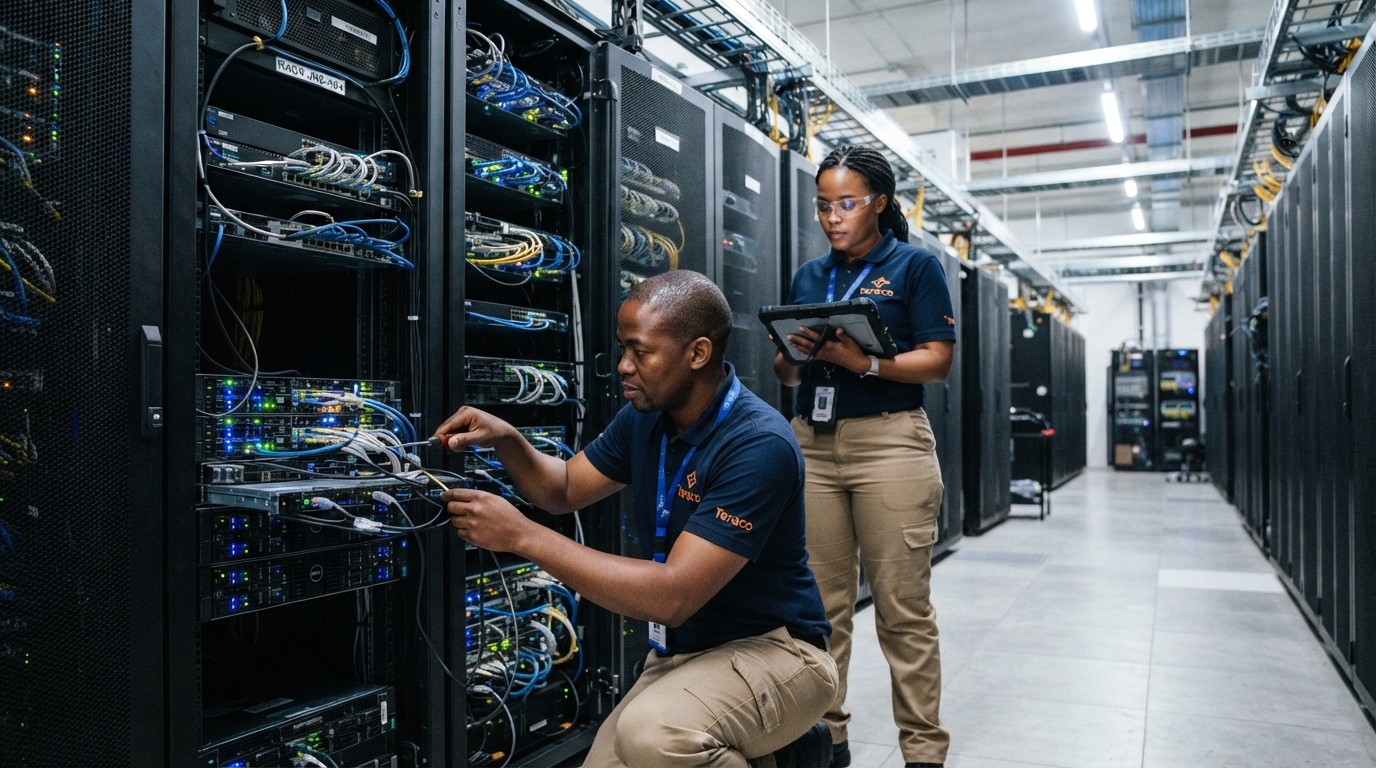
The global artificial intelligence sector recently experienced a seismic market adjustment, with trillions wiped from tech valuations before a partial rebound. This turbulence, while unsettling for investors, signals a crucial recalibration in the frenetic AI landscape – a shift that could carry significant implications and distinct opportunities for Africa's rapidly expanding digital economy.##Global Tech's Volatile RideMarkets watched intently as a massive sell-off hit technology and AI-linked firms globally. Initiating in the US and cascading across Asian and European bourses, the rout saw semiconductor manufacturers and leading AI innovators like Nvidia, SpaceX, and Tesla shed billions in market capitalisation. Analysts pointed to investor apprehension following US midterm elections, where a Democrat victory fueled speculation of increased regulation for AI and data centres, tempering the previously unchecked optimism surrounding the sector. While the tech-heavy Nasdaq Composite and S&P 500 managed a partial recovery, buoyed by stronger-than-expected US employment figures, the episode underscored a growing consensus: the AI industry is entering a more discerning phase.##A Necessary Market CorrectionIndustry observers, such as Pierre Baqué of Neural Concept, have termed the share movements a "necessary market correction," reflecting legitimate concerns over the enormous capital inflow into AI infrastructure without proportional proof of widespread economic value. This sentiment suggests an end to "unchecked infrastructure investment," advocating for greater financial discipline and a clearer demonstration of return on investment. The volatility also saw pronounced impacts in Asia, with South Korea's Kospi plummeting and major chipmakers experiencing significant drops, illustrating the interconnectedness of the global tech supply chain. Europe too felt the tremors, with key indices recording declines. This global reassessment challenges the perception of AI as a perpetual growth engine, instead demanding tangible value propositions.##The Africa AngleFor Africa, this period of global AI market introspection presents a strategic inflection point. While foreign direct investment (FDI) into African tech has soared, a more disciplined global investment climate could steer capital towards sustainable, impact-driven AI solutions rather than speculative ventures. African innovators, often adept at developing lean, context-specific technologies to solve real-world challenges – from healthcare diagnostics to agricultural efficiency – could find their pragmatic approaches more attractive to investors seeking demonstrated value. The renewed focus on proven economic utility might de-risk certain investments, potentially benefiting African startups and scale-ups that offer clear societal and commercial benefits. Furthermore, as global supply chains recalibrate, there's an impetus for African nations to strengthen their digital infrastructure and policy frameworks, positioning themselves to attract targeted investments in AI development, data centres, and talent development that align with domestic and pan-African growth agendas. This market reset is an invitation for Africa to not just adopt AI, but to actively shape its future with purpose and prudence.This shifting landscape offers a window for African enterprises and governments to strategically engage with AI, focusing on innovation that delivers tangible economic and social returns amidst a more scrutinised global investment environment.Source: BBC Business