
Unlocking Africa's Grid: The $100 Billion Investment Imperative
Africa faces a persistent $100 billion annual energy financing gap, hindering universal electrification and economic growth. The AfDB calls for triple grid investment, creating vast opportunities for
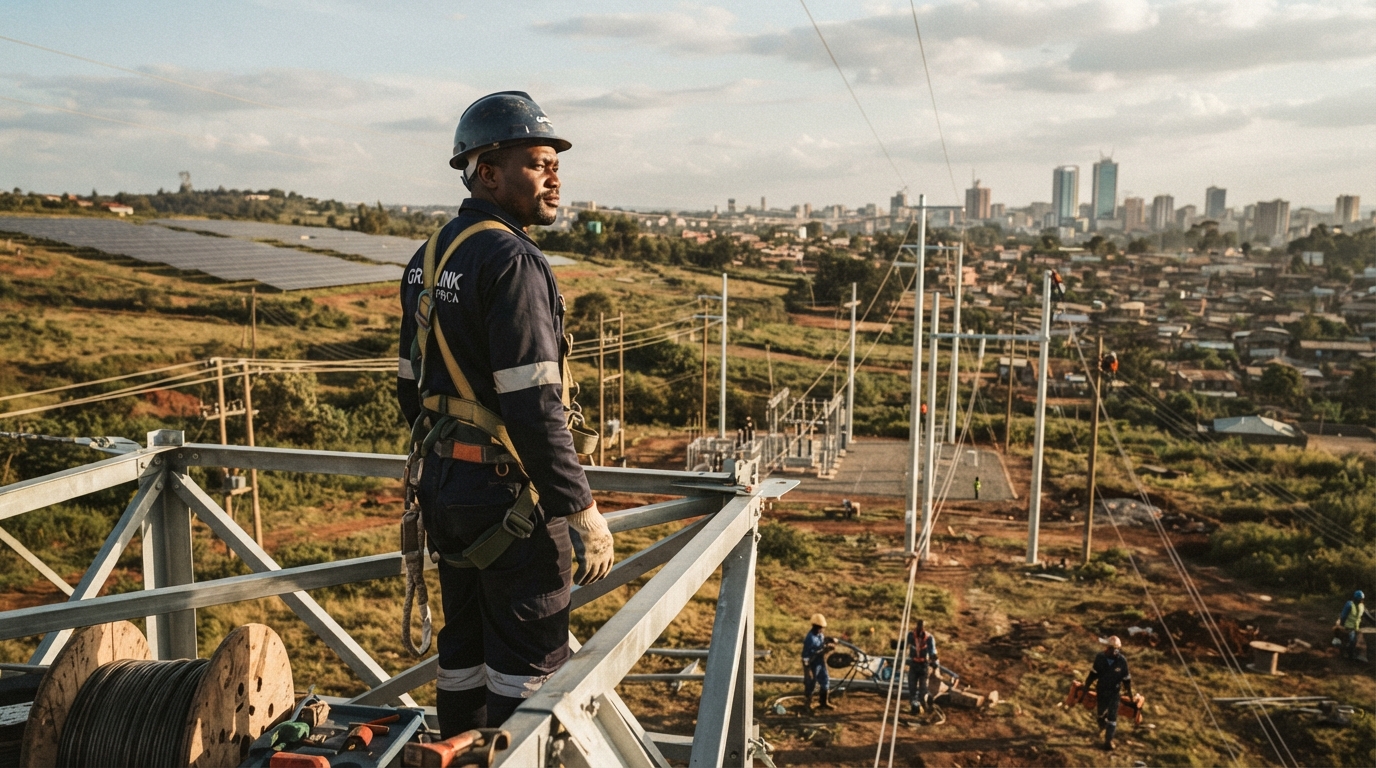
Africa faces a persistent annual energy financing gap of $100 billion, a critical barrier to achieving universal electrification by 2030 and hindering the continent's economic potential. Despite record private capital inflows into the sector, the chasm remains vast, signaling an urgent need for a coordinated acceleration of investment, particularly in grid infrastructure.
Analysis from the African Development Bank (AfDB) underscores the magnitude of the challenge, advocating for a tripling of current grid investment to connect new generation capacity and ensure reliable power for industries and communities across the continent. For multinational corporations and investors eyeing Africa's burgeoning markets, this deficit translates directly into operational inefficiencies, higher costs, and constraints on scaling production and service delivery.
The Scale of the Challenge
The $100 billion annual shortfall is not merely a number; it represents lost opportunities for industrialization, job creation, and improved quality of life. While individual power projects often attract financing, the overarching grid infrastructure—the arteries connecting power plants to homes and businesses—has lagged significantly. This stifles the impact of new generation projects and impedes the seamless flow of energy vital for manufacturing, digital services, and urban development. Bridging this gap is fundamental to unlocking broader economic growth and enhancing Africa's competitive edge on the global stage.Private Capital's Role and Limits
Private sector interest in African energy has indeed grown, with innovative financing models emerging for renewables and off-grid solutions. However, these flows are largely concentrated and often shy away from the substantial, long-term, and often perception-risky investments required for national and regional grid expansion. Addressing this demands robust policy frameworks, de-risking mechanisms, and clearer regulatory environments to attract the patient capital needed for large-scale infrastructure projects. Furthermore, local currency financing solutions and regional power pool integration are crucial to making grid projects more attractive and bankable.The Africa Angle
For "Enterprise Africa" readers, the energy financing gap presents both a significant hurdle and a profound opportunity. Reliable and affordable power is the bedrock of industrial growth, making it a key determinant for foreign direct investment (FDI) decisions. Multinationals seeking to establish or expand operations in Africa must factor in energy access and reliability. Conversely, the imperative to close this gap creates immense opportunities for infrastructure developers, technology providers, engineering firms, and financial institutions. Investing in Africa's grid isn't just about electrification; it's about building the fundamental infrastructure that will underpin the continent's next wave of economic transformation and enable new trade corridors. Leaders across the continent must champion policies that de-risk investment and foster public-private partnerships to turn this $100 billion challenge into an accelerator for pan-African prosperity.Source: ESI Africa